
CELEBRITY
Verónica Pascal: The Private Story of Pedro Pascal’s Mother and Her Lasting Influence

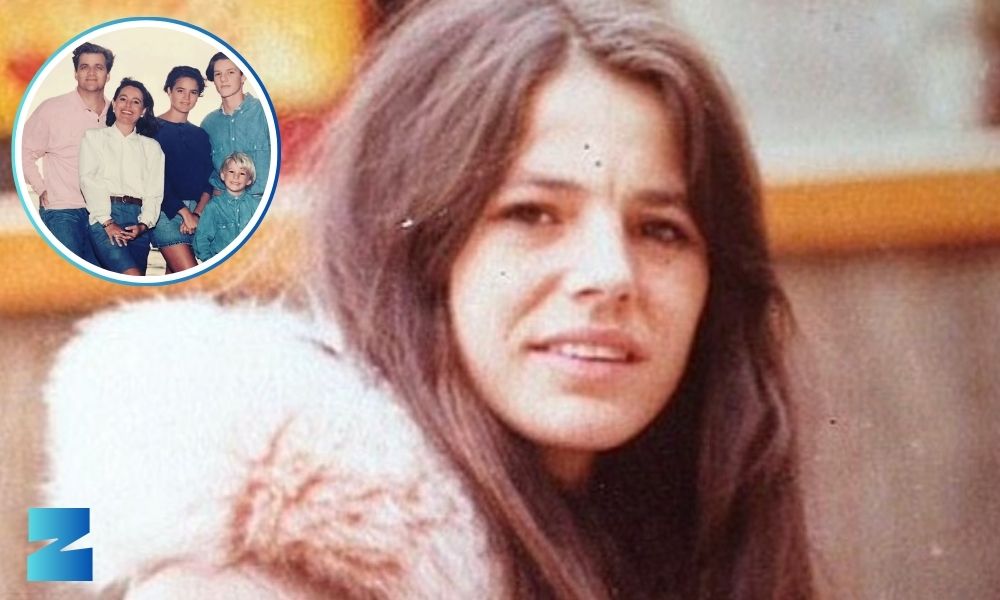
Verónica Pascal is best known publicly as the mother of Pedro Pascal, but her story carries meaning far beyond that simple description. She was a Chilean child psychologist and a central figure in the family history behind one of Hollywood’s most recognized actors. Although she never lived as a public celebrity herself, her name remains important because of her influence on Pedro Pascal’s identity, his family’s history of exile, and the emotional connection he has continued to express when speaking about his roots and the people who shaped him.
Quick Bio Table
| Field | Details |
|---|---|
| Full Name | Verónica Pascal Ureta |
| Known For | Mother of Pedro Pascal |
| Nationality | Chilean |
| Profession | Child psychologist |
| Birth Year | 1953 |
| Death Year | 2000 |
| Spouse | José Balmaceda |
| Children | Pedro Pascal and siblings |
| Public Image | Private family figure |
| Main Search Interest | Pedro Pascal’s mother, family background, legacy |
Who Was Verónica Pascal?
Verónica Pascal was a private family figure whose name became publicly known mainly through her son Pedro Pascal. Unlike the celebrities and public personalities often connected to famous actors, she was not known for entertainment, politics, or media. Her public identity rests largely on her role inside the Pascal-Balmaceda family and on the lasting impression she left on her children.
That does not make her story small. In many families, especially those shaped by migration, political unrest, and personal sacrifice, a parent’s influence becomes part of the emotional foundation of the next generation’s public life. Verónica Pascal appears to fit that pattern. Even though the public record on her is not as large as the one surrounding Pedro Pascal, what is known about her makes it clear that she mattered deeply in the family narrative.
Her significance also comes from the way Pedro Pascal has carried her name. His professional surname, “Pascal,” reflects his mother’s family name rather than his father’s. That choice alone has kept Verónica Pascal’s memory alive in public culture in a very direct way. Every time audiences say “Pedro Pascal,” they are also, in a way, repeating part of his mother’s identity.
Verónica Pascal’s background
Verónica Pascal was Chilean, and the family history connected to her unfolds against the larger political and social backdrop of Chile in the 1970s. She is commonly described as a child psychologist, which suggests a life centered around care, development, and the emotional well-being of children. That professional detail stands out because it adds depth to her public memory. She was not simply “Pedro Pascal’s mother.” She was also a trained professional with her own work and purpose.
That detail matters in a biography article because it keeps her from being reduced to a supporting name in someone else’s fame story. When a mother of a celebrity is remembered only in relation to the star, her own identity can disappear. In Verónica Pascal’s case, the child-psychology background helps preserve the sense that she had a real intellectual and professional life of her own.
There is also something meaningful in the contrast between her private profession and her son’s public acting career. One life was built around quiet professional care. The other became highly visible on screen. Yet the two are connected through family, emotional history, and the shaping force of parenthood. That is part of why people continue to search her name.
Verónica Pascal and Pedro Pascal’s family story
To understand Verónica Pascal, it helps to understand the broader family story that later shaped Pedro Pascal’s public identity. Pedro was born José Pedro Balmaceda Pascal, and his family background is deeply tied to Chile. His parents were part of a generation marked by political tension and historical upheaval, and the family eventually left Chile under difficult circumstances.
That history is important because Verónica Pascal was not simply a parent in an ordinary celebrity-family biography. She was part of a family that experienced displacement, transition, and rebuilding. These kinds of family histories often leave a lasting emotional mark on children, especially when those children later become public figures who speak about identity, memory, and belonging.
Pedro Pascal’s later public image has often included warmth, emotional openness, and strong attachment to family. While a public audience can never fully know the private life behind those traits, it is reasonable to see Verónica Pascal as part of the family foundation behind them. Parents shape emotional worlds long before fame arrives, and her role in that family story appears significant.
The meaning of the Pascal surname
One of the most interesting details about Verónica Pascal’s legacy is the surname itself. Pedro Pascal’s stage and public name uses “Pascal,” the maternal surname, rather than “Balmaceda,” his paternal surname. That is not just a branding detail. It has emotional and symbolic power.
By using Pascal professionally, Pedro gave his mother’s name lasting visibility in the public sphere. For many readers, that instantly makes Verónica Pascal more than a hidden or forgotten relative. Her name travels with his career. It appears in interviews, articles, credits, and fan discussions around the world.
This choice also adds emotional depth to the subject. It suggests remembrance, respect, and family attachment. While the public cannot fully define the private reasons behind a naming choice, it is fair to say that this decision has helped preserve Verónica Pascal’s presence in public memory in a way few private family members of celebrities experience.
A mother’s influence on identity
When people search for Verónica Pascal, they are often searching for more than a fact. They are trying to understand Pedro Pascal more deeply. That is one reason family-biography topics like this matter. The public often senses that to understand a major public figure, it helps to understand the emotional and family world that formed them.
Mothers, especially, often carry a powerful symbolic role in biography writing. Sometimes that symbolism becomes exaggerated or sentimental. But in Verónica Pascal’s case, there is a real basis for paying attention. Her name is part of Pedro Pascal’s public identity, and her life story connects to his background in a meaningful way.
A parent’s influence is not always visible in a résumé-like way. It may appear instead in values, memory, language, emotional resilience, and a child’s sense of self. Verónica Pascal’s public significance seems to live in exactly that kind of space. She is remembered not because she pursued fame, but because her presence in the family mattered enough to remain part of her son’s public story.
Private life and limited public record
One of the clearest things about Verónica Pascal is that the public record remains limited. She is not the subject of a large celebrity biography filled with interviews, red carpet appearances, or entertainment coverage. Most people encounter her name through Pedro Pascal’s biography, family references, or short profile summaries.
That thin public record is important to admit clearly. A lot of weak celebrity articles try to stretch a small set of known facts into a dramatic life story. That usually leads to overstatement. A stronger article does the opposite. It says what is publicly known, respects what remains private, and avoids turning limited information into false certainty.
In Verónica Pascal’s case, that restraint actually strengthens the article. Her story gains power from the very fact that she was not a public celebrity. She belongs to the quieter side of family history, the side that often shapes public figures without becoming fully visible itself.
Her death and its lasting emotional weight
Verónica Pascal died in 2000. That fact carries obvious emotional weight, especially because Pedro Pascal’s rise to major international fame came later. She was not present for the biggest public milestones that eventually made her son a global name.
That timing makes her story especially moving for many readers. There is something powerful about a parent who helped shape a child’s life but did not live to witness the fullest public expression of that child’s success. In biography writing, that kind of detail often creates a deeper emotional connection than fame alone ever could.
It also changes how readers interpret Pedro Pascal’s continued use of the Pascal name. In that light, the name feels not only like identity but like memory. A public career can become a kind of ongoing tribute, even if it was never announced as one in dramatic terms.
Because of this, Verónica Pascal’s name often carries a quiet emotional resonance. She is not just a family fact. She is part of a remembered loss, a private family history, and a continuing connection that survives through name and legacy.
Why people search for Verónica Pascal
Most people looking up Verónica Pascal are likely doing so for one of several reasons. Some want to know who Pedro Pascal’s mother was. Others are interested in his family history and how it shaped him. Some are drawn to the name itself after noticing that “Pascal” is part of his professional identity.
There is also a broader cultural reason. Audiences increasingly want more human context around celebrities. They are less satisfied with surface-level fame. They want to know about roots, parents, family struggles, and the emotional world behind public success. Verónica Pascal fits that type of interest perfectly.
At the same time, the topic has a different tone from gossip. This is not mainly about scandal or sensationalism. It is about legacy, memory, and family influence. That gives the keyword a different kind of depth and makes it well suited to a thoughtful biography article rather than a flashy celebrity post.
Verónica Pascal and the story of exile
Another important layer in understanding Verónica Pascal is the family’s exile story. Pedro Pascal’s family left Chile during a politically dangerous period, and that history has become part of how his family background is publicly understood. Verónica Pascal was part of that movement, that rupture, and that rebuilding.
This matters because exile changes family life deeply. It affects safety, belonging, memory, and identity. For children growing up in such circumstances, the emotional environment created by parents becomes even more important. The parent is not only a caregiver but also a guide through instability and reinvention.
In that context, Verónica Pascal’s role becomes even more meaningful. She was not simply part of an ordinary celebrity family origin story. She was part of a family that lived through political displacement, adaptation, and survival. That history adds seriousness and depth to her biography, even if the available public details remain limited.
More than “Pedro Pascal’s mother”
It is natural that many articles describe Verónica Pascal first through her son. That is how most readers arrive at her name. But a good article should still push gently beyond that narrow label. She was also a Chilean woman, a child psychologist, a mother within a family shaped by exile, and a person whose memory continues to matter in a major actor’s public identity.
This broader framing matters because it gives her dignity as a subject. Private family figures connected to celebrities are often flattened into one-line identifiers. That approach may be convenient, but it is not always respectful or accurate enough. Verónica Pascal deserves a fuller frame, even when the public record is modest.
The best way to do that is not to invent unsupported details. It is to take the real facts seriously. Her profession matters. Her nationality matters. Her family role matters. Her name matters. Her death matters. Together, those pieces create a meaningful portrait even without a huge amount of public documentation.
The emotional legacy behind a public name
One of the most compelling aspects of Verónica Pascal’s story is how her legacy survives through something so simple and constant: a name. The entertainment world is full of reinventions, stage names, and public identities designed for recognition. In this case, the name itself can also be read as remembrance.
That gives the topic unusual emotional power. Readers are not only learning who Verónica Pascal was. They are also seeing how a private life can continue to echo through public culture long after death. Her influence is not expressed through speeches, memoirs, or a public foundation. It is expressed through family continuity and identity.
That kind of legacy is quieter than institutional fame, but often more intimate. It reminds readers that public success is rarely built alone. Behind major careers there are parents, histories, sacrifices, and emotional inheritances that remain mostly invisible. Verónica Pascal appears to be one of those essential but quiet figures.
What is clearly known and what remains limited
The strongest public facts about Verónica Pascal are fairly clear. She was Pedro Pascal’s mother. Her fuller public name is Verónica Pascal Ureta. She was Chilean. She worked as a child psychologist. She lived from 1953 to 2000. She was married to José Balmaceda, and together they were part of the family background that later shaped Pedro Pascal’s life story.
What remains more limited is the broader personal detail beyond those basics. There is not a large mainstream public record covering her life in the kind of full narrative way that exists for celebrities. That means careful writing is especially important. A reliable article should not overclaim where the record is thin.
This balance is the right way to approach the topic. Readers deserve more than a one-line summary, but they also deserve honesty about the limits of what is publicly documented. In Verónica Pascal’s case, that honest middle ground is what creates the strongest and most respectful article.
Final thoughts
Verónica Pascal remains a meaningful search topic because she is part of the emotional and family foundation behind Pedro Pascal’s public life. She was a Chilean child psychologist, a mother, and a quiet but lasting presence in a family story shaped by exile, memory, and survival.
Her public significance does not come from celebrity in the usual sense. It comes from influence, identity, and legacy. The fact that Pedro Pascal carries her name into the public sphere gives her story an enduring visibility that many private family figures never receive.
The most accurate way to understand Verónica Pascal is as a private woman whose life left a permanent mark on a public one. That may sound modest compared with the language often used in celebrity writing, but it is exactly what makes her story matter. It is intimate, human, and quietly lasting.
Detailed FAQs About Verónica Pascal
Who was Verónica Pascal?
Verónica Pascal was Pedro Pascal’s mother. She was a Chilean child psychologist and an important part of the family history behind the actor’s public identity.
What was Verónica Pascal’s full name?
She is publicly identified as Verónica Pascal Ureta.
Why is Verónica Pascal known publicly?
She is known mainly because she was Pedro Pascal’s mother and because her surname became part of his public and professional identity.
What did Verónica Pascal do for a living?
She is commonly described as a child psychologist.
Was Verónica Pascal Chilean?
Yes. She was Chilean, and her family background is tied to Chile.
Who was Verónica Pascal married to?
She was married to José Balmaceda.
Did Verónica Pascal have children?
Yes. She was the mother of Pedro Pascal and his siblings.
Why does Pedro Pascal use the surname Pascal?
Pedro Pascal’s public name uses his mother’s surname, which keeps Verónica Pascal’s name present in public life.
When did Verónica Pascal die?
She died in 2000.
Why do people search for Verónica Pascal?
Most people search for her because they want to know more about Pedro Pascal’s mother, his family background, and the meaning of the Pascal surname.
Was Verónica Pascal a celebrity?
No, not in the usual sense. She was a private family figure whose public significance comes through her connection to Pedro Pascal.
What makes Verónica Pascal’s story meaningful?
Her story matters because it connects identity, motherhood, exile, and memory. She represents the private family foundation behind a major public figure.
What is the best short description of Verónica Pascal?
The clearest short description is that Verónica Pascal was Pedro Pascal’s mother, a Chilean child psychologist, and an important influence in his family history.
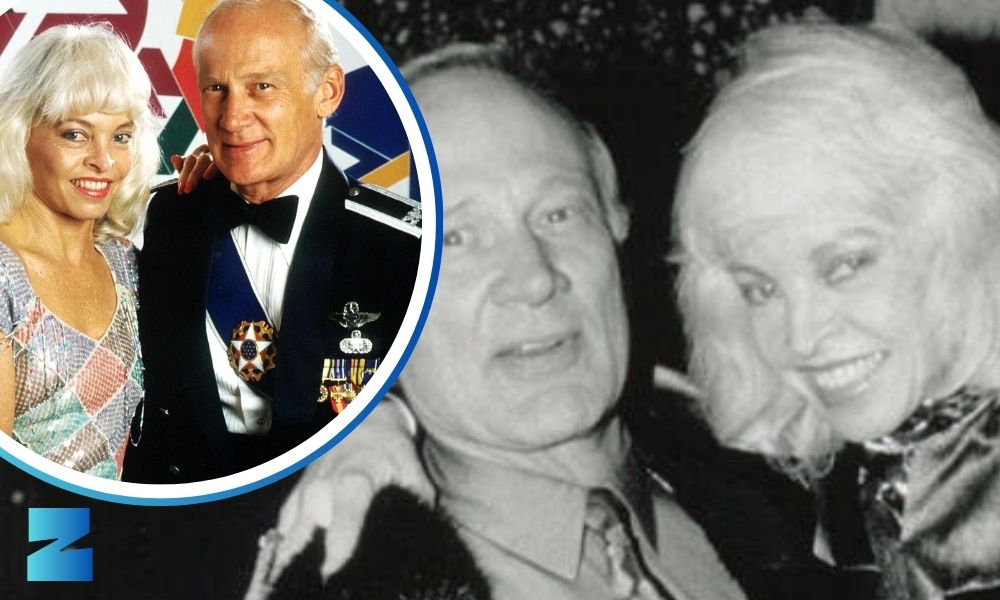
Lois Driggs Cannon was best known as the third wife of legendary astronaut Buzz Aldrin, but her life story also included family roots, motherhood, public appearances, and a long connection to one of the most famous names in space history. According to her published obituary, Lois Driggs Cannon Aldrin was born on November 2, 1929, and died on July 17, 2018, at the age of 88.
Quick Bio Table
| Field | Details |
|---|---|
| Full Name | Lois Driggs Cannon Aldrin |
| Birth Name | Lois Adele Driggs |
| Date of Birth | November 2, 1929 |
| Date of Death | July 17, 2018 |
| Age at Death | 88 years old |
| Known For | Third wife of astronaut Buzz Aldrin |
| Former Husband | Buzz Aldrin |
| Marriage Year | 1988 |
| Divorce Finalized | 2012 |
| Children | Three children from her first marriage |
| Public Image | Private, elegant, family-connected |
| Famous Connection | Apollo 11 astronaut Buzz Aldrin |
Who Was Lois Driggs Cannon?
Lois Driggs Cannon was an American woman who became publicly known through her marriage to Buzz Aldrin, the Apollo 11 astronaut who became the second person to walk on the Moon. While Buzz Aldrin’s name is written into world history, Lois lived a more private life. She was not an astronaut, entertainer, or politician, but her connection to Aldrin brought her into public attention.
Many people search for Lois Driggs Cannon because they want to understand the personal life of Buzz Aldrin. His career was filled with space exploration, fame, public speaking, books, and global recognition. Lois became part of that story during a long chapter of his adult life.
However, Lois should not be remembered only as someone’s wife. She was also a mother, a family woman, and a person who lived through major historical periods, from the Great Depression era to the space age and beyond.
Early Life of Lois Driggs Cannon
Lois Driggs Cannon was born as Lois Adele Driggs. She came from a family connected to Arizona and the American West. Her early years began during a difficult time in American history, as she was born shortly after the start of the Great Depression.
Growing up during that period likely shaped her values, discipline, and understanding of family life. Many people from that generation were raised with a strong sense of responsibility, faith, and resilience. Lois belonged to a time when family identity and personal reputation mattered deeply.
Although there is not a large amount of public information about her childhood, the available details show that she came from a respected family background. She later became known by the name Lois Driggs Cannon before her marriage to Buzz Aldrin made her widely recognized as Lois Driggs Cannon Aldrin.
Why Is Lois Driggs Cannon Famous?
Lois Driggs Cannon is famous mainly because she was married to Buzz Aldrin. Buzz Aldrin became a global icon after the Apollo 11 Moon landing in 1969. His name is associated with courage, science, space exploration, and American history.
When Lois married him in 1988, she entered the public world connected to space history. She appeared with him at events and became part of the social and public side of his post-NASA life.
Her fame is different from traditional celebrity fame. She did not become known through acting, music, or politics. Instead, her public identity came from being close to one of the most famous astronauts in the world.
Lois Driggs Cannon and Buzz Aldrin’s Marriage
Lois Driggs Cannon married Buzz Aldrin on February 14, 1988. Their marriage lasted for more than two decades, making it one of the longest relationships in Aldrin’s personal life.
During their marriage, Lois was often seen accompanying Buzz to public events. These included galas, award ceremonies, space-related functions, and social gatherings. She stood beside him during a time when Aldrin continued building his post-astronaut public image.
Buzz Aldrin’s life after NASA included writing, speaking, media appearances, and advocacy for space exploration. Lois was connected to this period of his life and was sometimes described as part of his public and business world.
A Long Marriage in the Public Eye
Being married to a famous astronaut is not an ordinary experience. Buzz Aldrin was not just a public figure; he was a historic figure. Everywhere he went, people knew his name because of Apollo 11 and the Moon landing.
Lois Driggs Cannon lived with that level of public attention. She attended events with him and became part of his public story. However, she did not appear to seek fame for herself. Her presence was usually connected to support, companionship, and family.
Their marriage lasted around 23 years before ending in divorce. A marriage of that length shows that Lois was part of an important and long chapter in Aldrin’s life.
Lois Driggs Cannon’s Children and Family
Before marrying Buzz Aldrin, Lois Driggs Cannon had children from her first marriage. She was a mother to Lisa Cannon, Brynn Cannon, and Bryant Cannon. Her children were an important part of her life and family identity.
Her daughter Lisa Cannon was also publicly mentioned in connection with Buzz Aldrin’s business affairs during his marriage to Lois. This shows that the family connection extended beyond private life and into parts of Aldrin’s public brand and professional management.
Family appears to have been central to Lois’s life. Even though many people know her because of Buzz Aldrin, her role as a mother and family member is equally important.
Lois Driggs Cannon’s Public Appearances
Lois Driggs Cannon appeared at several public events with Buzz Aldrin over the years. Photographs from entertainment, charity, and formal events show her beside Aldrin during his public life.
Her style was often described as elegant and composed. She represented the kind of public spouse who attended important events without trying to dominate attention. In many ways, she seemed comfortable supporting the public role of her husband while still maintaining her own dignity.
These appearances helped keep her name connected to celebrity and history archives. Today, many people still find her through photographs, event records, and articles about Buzz Aldrin’s personal life.
Divorce From Buzz Aldrin
Lois Driggs Cannon and Buzz Aldrin divorced after a long marriage. Their divorce became public because Aldrin was a famous astronaut and because the financial settlement drew media attention.
The divorce was finalized in 2012 after Aldrin had filed for divorce in 2011. Reports at the time stated that the marriage ended because of irreconcilable differences. Since both people were older and the marriage had lasted many years, the divorce received attention from entertainment, legal, and celebrity news outlets.
Divorce after a long marriage can be emotionally difficult, especially when it happens in the public eye. For Lois, the process brought unwanted media attention, but it also became part of the public record of her life with Aldrin.
Lois Driggs Cannon’s Later Life
After her divorce from Buzz Aldrin, Lois Driggs Cannon lived a quieter life. She was no longer regularly mentioned in the same public way as during her marriage to Aldrin.
Her later years were mostly private. She passed away on July 17, 2018, at the age of 88. Her death marked the end of a life that had crossed paths with American history, public fame, family legacy, and personal change.
Although she is often remembered because of Buzz Aldrin, Lois had her own life before and after that marriage. She lived through nearly nine decades of American history.
Lois Driggs Cannon’s Death
Lois Driggs Cannon Aldrin died in 2018. Her obituary described her life, family background, and passing. She died of natural causes in Salt Lake City.
Her death received attention because of her connection to Buzz Aldrin, but it was also a moment for family remembrance. Obituaries often reveal more personal details than public celebrity reports, and in Lois’s case, they helped people understand her as more than just a famous astronaut’s former wife.
She was remembered as a woman with family roots, children, and a long life connected to different places and generations.
Relationship With the Aldrin Legacy
Lois Driggs Cannon became part of Buzz Aldrin’s personal legacy during a major part of his post-Moon life. Although she was not involved in the Apollo 11 mission itself, she was present during years when Aldrin continued to shape his public role as a space hero.
Buzz Aldrin used his fame to promote space exploration, science, education, and Mars-related ideas. Lois was connected to his public appearances and business image during this period.
Her name remains linked to Aldrin’s biography because she was his third wife and because their marriage lasted for more than two decades. This makes her an important figure in the personal story of one of the most famous astronauts in history.
Was Lois Driggs Cannon a Celebrity?
Lois Driggs Cannon was not a celebrity in the traditional sense. She did not become famous through her own entertainment career or public profession. However, because she married Buzz Aldrin, she became a known public figure.
This type of fame is common for spouses of historic figures. People become curious about their lives because they want to know more about the personal side of a famous person.
Lois handled that attention in a relatively private way. She appeared publicly when connected to Aldrin, but she did not build a separate celebrity brand.
Lois Driggs Cannon’s Personality and Public Image
Lois Driggs Cannon’s public image was elegant, private, and family-oriented. She was often seen beside Buzz Aldrin in formal settings, but she did not create constant media attention for herself.
People who search her name today often find limited details because she lived a private life. This privacy should be respected. Not everyone connected to a famous person wants their full personal history exposed.
Her story reminds readers that public recognition does not always mean a person sought fame. Sometimes, people become known because of the person they loved or married.
Lois Driggs Cannon and the Space-Age Connection
Lois Driggs Cannon’s name is connected to the space age because of her marriage to Buzz Aldrin. Aldrin’s role in Apollo 11 made him one of the most famous explorers of the 20th century.
Through her marriage, Lois became part of the social world surrounding astronauts, space events, and historical celebrations. She attended events where Aldrin was honored and recognized for his achievements.
This connection gives her biography a unique place. She was not an astronaut, but her life touched the world of space history through marriage and companionship.
Common Confusion About Lois Driggs Cannon
Some people search for Lois Driggs Cannon and confuse her with other women in Buzz Aldrin’s life. Buzz Aldrin was married multiple times, and Lois was his third wife.
His first wife was Joan Archer, his second wife was Beverly Van Zile, and Lois Driggs Cannon became his third wife. After his divorce from Lois, Aldrin later married Anca Faur.
Understanding this helps readers place Lois correctly in Aldrin’s personal timeline. She was part of his life for a long period, especially during his later public career.
Lois Driggs Cannon’s Legacy
Lois Driggs Cannon’s legacy is connected to family, history, and privacy. She lived a long life and became publicly known through a marriage that connected her to one of the greatest achievements in human history: the Moon landing.
Her story also shows how the spouses of famous figures often live complicated lives. They may enjoy public events and historical connections, but they can also face pressure, attention, and personal challenges.
Lois should be remembered as a woman who had her own life, children, family roots, and personal journey. Her marriage to Buzz Aldrin was important, but it was only one part of her full story.
Final Thoughts
Lois Driggs Cannon lived a life that became publicly connected to space history through her marriage to Buzz Aldrin. While many people know her only as Aldrin’s third wife, her story includes family roots, motherhood, public appearances, and a long personal journey.
She was part of a historic figure’s life for more than two decades, but she also had an identity beyond that marriage. Lois Driggs Cannon remains a name people search because her life touched fame, family, history, and privacy in a unique way.
FAQs About Lois Driggs Cannon
Who was Lois Driggs Cannon?
Lois Driggs Cannon was the third wife of astronaut Buzz Aldrin. She was also a mother and a private family figure.
What was Lois Driggs Cannon known for?
She was best known for her marriage to Buzz Aldrin, the Apollo 11 astronaut who became the second person to walk on the Moon.
When was Lois Driggs Cannon born?
Lois Driggs Cannon was born on November 2, 1929.
When did Lois Driggs Cannon die?
Lois Driggs Cannon died on July 17, 2018.
How old was Lois Driggs Cannon when she died?
She was 88 years old at the time of her death.
Was Lois Driggs Cannon married to Buzz Aldrin?
Yes, Lois Driggs Cannon married Buzz Aldrin in 1988. Their divorce was finalized in 2012.
Did Lois Driggs Cannon have children?
Yes, Lois Driggs Cannon had three children from her first marriage.
Was Lois Driggs Cannon an astronaut?
No, Lois Driggs Cannon was not an astronaut. She became publicly known because of her marriage to Buzz Aldrin.
Why did Lois Driggs Cannon and Buzz Aldrin divorce?
Their divorce was publicly reported as being based on irreconcilable differences.
What is Lois Driggs Cannon’s legacy?
Her legacy is connected to family, her long life, and her role in Buzz Aldrin’s personal story during his post-NASA public career.
Visit for more info: zentomagazine.co.uk
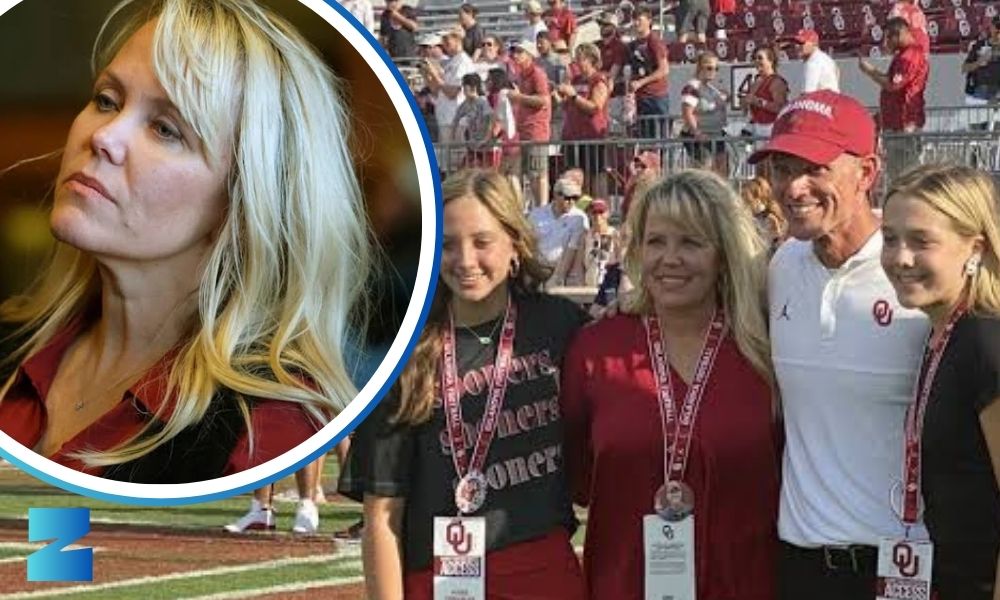
Julie Venables is best known as the wife of Brent Venables, the head football coach at the University of Oklahoma, but her story has gained attention for deeper reasons than college football fame. She is a mother, supportive partner, and a strong woman who has faced a public health battle with courage while standing beside one of the most respected coaches in American college football; Brent’s official Oklahoma profile also lists Julie as his wife and names their four children.
Quick Bio Table
| Field | Details |
|---|---|
| Full Name | Julie Venables |
| Known For | Wife of Oklahoma football coach Brent Venables |
| Husband | Brent Venables |
| Children | Jake, Tyler, Laney, and Addie |
| Public Connection | University of Oklahoma football |
| Health Journey | Breast cancer battle publicly discussed by Brent Venables |
| Public Image | Strong, private, family-focused, supportive |
| Residence Connection | Norman, Oklahoma / Oklahoma Sooners community |
| Famous For | Family life with Brent Venables and her inspiring strength |
Who Is Julie Venables?
Julie Venables is a private family figure who became publicly known through her marriage to Brent Venables. Brent is one of the most recognized names in college football, especially because of his long coaching career at Oklahoma and Clemson before becoming Oklahoma’s head coach.
Even though Julie is connected to a high-profile sports figure, she has mostly stayed away from the spotlight. She is not a celebrity who seeks attention, and she does not appear to use her husband’s fame for personal publicity. Instead, her public image is connected to family, strength, loyalty, and resilience.
Many fans became more aware of Julie Venables when Brent spoke publicly about her breast cancer diagnosis. Since then, her name has been searched by people who want to know more about her health, family, children, and life with Brent Venables.
Julie Venables and Brent Venables
Julie Venables is married to Brent Venables, the head coach of the Oklahoma Sooners football team. Their relationship has lasted through years of coaching pressure, career moves, public attention, and family responsibilities.
Brent’s coaching career has taken the family through different stages, including his time at Kansas State, Oklahoma, Clemson, and his return to Oklahoma as head coach. A college football coach’s life can be extremely demanding. It involves long hours, travel, recruiting, media pressure, and constant public judgment.
Behind that lifestyle, Julie Venables has played an important family role. She has supported Brent through career changes and helped maintain a strong family foundation. While Brent is the public face on the football field, Julie has been an important part of the life behind the scenes.
Julie Venables’ Family Life
Julie Venables and Brent Venables have four children: Jake, Tyler, Laney, and Addie. Their family is often mentioned in connection with Oklahoma football because Brent’s personal life and coaching identity are closely tied to his values.
Family appears to be very important to the Venables household. Brent has spoken many times about faith, discipline, and responsibility, and those values seem to be part of the family’s public image.
Julie’s role as a mother is one of the most important parts of her life. Raising children while being married to a major college football coach requires patience and sacrifice. The football world can be exciting, but it can also be stressful. Julie has helped create stability for the family while Brent has handled the demands of coaching at the highest level.
Julie Venables as a Coach’s Wife
Being a coach’s wife is not always simple. It may look glamorous from the outside, especially when a team wins big games, but the lifestyle can be difficult. Coaches spend long hours studying film, planning practices, recruiting players, meeting staff, and preparing for games.
Julie Venables has lived that reality for many years. She has seen the emotional highs of victories and the pressure of difficult seasons. She has also experienced the personal side of a public football life, where fans and media often discuss every decision a coach makes.
A coach’s wife often becomes a quiet source of support. She may not be on the sideline calling plays, but she helps carry the emotional weight of the career. Julie’s life shows the strength required to support a family while living close to the pressure of major college football.
Julie Venables’ Health Journey
Julie Venables received public attention after Brent Venables revealed that she had been diagnosed with breast cancer. Her health journey became emotional news for the Oklahoma football community because many fans saw how deeply it affected Brent and his family.
Breast cancer is a serious and difficult illness, not only for the person diagnosed but also for the entire family. Treatment can include surgery, medical appointments, recovery time, emotional stress, and uncertainty. Julie’s battle showed her strength and also reminded fans that public sports figures face private struggles like everyone else.
Brent Venables has spoken about Julie with deep respect and emotion. His words showed how much he admires her courage. Fans also responded with support, prayers, and encouragement, especially from the Oklahoma Sooners community.
Brent Venables’ Support for Julie
One of the reasons people became interested in Julie Venables is because of how Brent spoke about her health battle. His emotional comments showed a different side of a football coach who is usually seen as intense, focused, and competitive.
Brent’s support for Julie revealed the human side of college football. Behind the headset, press conferences, and game-day pressure, he is also a husband and father. His concern for Julie reminded fans that family is more important than football.
This public support helped many people connect with the Venables family on a personal level. Julie’s journey was not just a news story. It became a moment where fans saw love, faith, and family strength.
Julie Venables and the Oklahoma Sooners Community
The Oklahoma Sooners community has shown support for Julie Venables during her health journey. College football programs often become like extended families, and the Sooners fan base is known for strong loyalty.
When people learned about Julie’s breast cancer battle, many fans sent prayers and positive messages. Some moments around the program also reflected awareness and support for breast cancer causes.
Julie’s story touched many people because health battles are deeply personal. Many fans have family members or friends who have faced cancer, so her situation felt relatable and emotional. Her strength became inspiring not only to the Venables family but also to many people watching from outside.
Julie Venables’ Private Personality
Julie Venables appears to be a private person. She is not someone who constantly seeks media attention or tries to build a public brand. Most information about her comes from her connection to Brent Venables and family-related mentions.
This privacy should be respected. Not everyone connected to a public figure wants a celebrity lifestyle. Julie seems to value her family life more than public attention.
Her private personality also makes her more interesting to readers. In a world where many people share everything online, Julie represents a quieter kind of strength. She does not need constant publicity to be respected.
Why People Search for Julie Venables
People search for Julie Venables for several reasons. Some want to know about Brent Venables’ wife. Others want to learn about her children, family, and role in his life. Many also search for updates about her health journey.
Her name became especially searched after news about her breast cancer diagnosis became public. Fans wanted to know what happened, how she was doing, and how the family was handling the situation.
However, because Julie is private, not every detail about her life is publicly available. That is why it is important to focus on confirmed information and avoid spreading rumors.
Julie Venables’ Children
Julie Venables and Brent Venables are parents to four children: Jake, Tyler, Laney, and Addie. Their children have grown up around football, discipline, and the unique lifestyle of a coaching family.
The Venables children have occasionally been mentioned in public sports coverage because of their connection to Brent and the Oklahoma program. Still, the family seems to keep personal matters relatively private.
Julie’s role as a mother has likely been central to the family’s stability. While Brent’s coaching career demanded time and energy, Julie helped support the home and children through different phases of life.
Julie Venables and Faith
Faith is often associated with the Venables family’s public image. Brent Venables has spoken about faith and family values, and those themes appear to be important in how the family handles challenges.
During difficult times, including Julie’s health battle, faith can provide emotional strength. For many families, spiritual belief helps them face uncertainty, fear, and recovery with hope.
Julie’s story is often viewed through this lens of strength and belief. Her courage during a painful time has made people admire her even more.
Julie Venables’ Age and Early Life
Julie Venables’ exact age and early life details are not widely publicized through major reliable sources. Since she is not a traditional celebrity, she has kept much of her personal background private.
Information about her parents, childhood, education, and early career is limited. This does not take away from her story. In fact, it shows that she has chosen a life centered around family rather than fame.
When writing about Julie Venables, it is important to avoid guessing personal details. Respecting privacy is especially important when someone is known mainly because of a public spouse.
Julie Venables’ Public Image
Julie Venables’ public image is built around strength, family, privacy, and resilience. She is admired for standing beside Brent through his coaching journey and for facing a serious health battle with courage.
She is not known for controversy or public drama. Instead, her name is connected to support, faith, motherhood, and personal bravery.
This makes her different from many people who become known through sports or entertainment. Julie’s influence is quieter, but it is meaningful. She represents the kind of person who may not always be in front of cameras but still plays an important role.
Lessons From Julie Venables’ Story
Julie Venables’ story offers several important lessons. First, it shows the importance of family support. Whether someone is a football coach, athlete, or ordinary person, family strength matters during success and struggle.
Second, her health journey reminds people about the importance of awareness, early care, and emotional support during illness. Cancer affects millions of families, and stories like Julie’s can encourage compassion.
Third, her private lifestyle shows that people can be respected without living publicly. Julie does not need constant attention to make an impact. Her strength is seen through her family, her courage, and the way people respond to her story.
Julie Venables and Brent Venables’ Strong Bond
The bond between Julie Venables and Brent Venables became especially visible during her health battle. Brent’s emotional words about her showed how much she means to him.
In sports, coaches are often judged by wins, losses, rankings, and recruiting classes. But Brent’s public support for Julie reminded fans that personal relationships matter far more than football results.
Their marriage reflects loyalty through difficult seasons of life. Coaching careers bring pressure, but health battles bring a deeper kind of challenge. Julie and Brent’s story shows partnership, love, and shared strength.
Is Julie Venables Active on Social Media?
Julie Venables does not appear to be highly active as a public social media personality. She is not known as an influencer or online celebrity. Most public interest in her comes from sports media coverage involving Brent Venables.
This limited online presence fits her private image. She seems to prefer a quieter life, away from unnecessary attention.
For fans searching for updates, it is better to rely on trusted sports reports or official statements rather than unverified social media claims.
Julie Venables Net Worth
Julie Venables’ personal net worth is not publicly confirmed. Many websites may try to estimate celebrity family finances, but those figures are usually not reliable.
Brent Venables has earned significant income as a major college football coach, but Julie’s individual financial details are private. It is better to focus on her family role, personal strength, and public support rather than guessing about money.
Why Julie Venables Inspires People
Julie Venables inspires people because she represents courage during difficulty. Her breast cancer battle made many fans see her as a strong woman facing a painful challenge with dignity.
She also inspires people because of her family commitment. Being married to a high-profile football coach while raising four children requires strength, patience, and sacrifice.
Her story is not about fame. It is about resilience, love, and quiet courage. That is why many people admire Julie Venables.
Final Thoughts
Julie Venables is more than just the wife of a famous football coach. She is a mother, a supportive partner, and a strong woman who has faced serious health challenges with courage. Her story has touched many people, especially in the Oklahoma Sooners community.
While Brent Venables is known for football leadership, Julie Venables is admired for quiet strength, family devotion, and resilience. Her life reminds readers that behind every public figure, there is often a private support system filled with love, sacrifice, and courage.
FAQs About Julie Venables
Who is Julie Venables?
Julie Venables is best known as the wife of Brent Venables, the head football coach of the Oklahoma Sooners football team.
Is Julie Venables married?
Yes, Julie Venables is married to Brent Venables.
How many children does Julie Venables have?
Julie Venables and Brent Venables have four children: Jake, Tyler, Laney, and Addie.
Why is Julie Venables famous?
Julie Venables is known because of her marriage to Brent Venables and because of her public health battle with breast cancer.
What happened to Julie Venables?
Julie Venables was publicly reported to have battled breast cancer, and Brent Venables has spoken about her health journey.
Is Julie Venables a public figure?
Julie Venables is not a traditional celebrity. She is mostly known as a private family figure connected to Oklahoma football.
Does Julie Venables work in football?
There is no major public information showing that Julie Venables works professionally in football. Her connection to football is mainly through her husband.
Where does Julie Venables live?
Julie Venables is publicly connected to Norman, Oklahoma, because Brent Venables is the head coach at the University of Oklahoma.
Is Julie Venables active on Instagram?
Julie Venables does not appear to be a major public social media personality.
What is Julie Venables’ net worth?
Julie Venables’ personal net worth is not publicly confirmed.
Visit for more info: zentomagazine.co.uk


Lois Driggs Cannon: Biography, Family, Marriage to Buzz Aldrin, and Life Story

Julie Venables: Biography, Family, Health Journey, and Life With Brent Venables

Yazmin Cader Frazier: Biography, Career, Family, and Life With Kevin Frazier

Pixelspinx com Explained: Why This Growing Website Is Getting Attention

Ana Leza: The Private Life, Acting Career, and Marriage That Shaped Antonio Banderas’ Early Rise

Antonimar Mello: The Private Life Behind Lisa Lisa’s Marriage, Family, and Quiet Public Image
-
 TECH3 months ago
Pixelspinx com Explained: Why This Growing Website Is Getting Attention
-
 NEWS3 months ago
Ana Leza: The Private Life, Acting Career, and Marriage That Shaped Antonio Banderas’ Early Rise
-
 CELEBRITY3 months ago
Antonimar Mello: The Private Life Behind Lisa Lisa’s Marriage, Family, and Quiet Public Image
-
 CELEBRITY3 months ago
Michael Ciminella: The Quiet Story Behind Naomi Judd’s First Marriage and Ashley Judd’s Family Name
-

 CELEBRITY4 months ago
Charity Nye: The Truth Behind Bill Nye’s Rumored Daughter and the Online Mystery
-

 CELEBRITY3 months ago
Patty Gardell: The Untold Story of Billy Gardell’s Wife and Family Life
-

 BLOG4 months ago
Dorothy Bowles Ford: The Quiet Story Behind the Ford Political Family Legacy
-

 CELEBRITY3 months ago
wedding charles latibeaudiere wife: Inside His Marriage to Barbara Sherwood